Bel Royal Primary School
Personal, Social, Health, Economic Education and Citizenship
PSHE education gives pupils the knowledge, skills, and attributes they need to keep themselves healthy and safe and to prepare them for life and work in modern Britain…. When taught well, PSHE education helps pupils to achieve their academic potential, and leave school equipped with skills they will need throughout later life.
PSHE Association
Acronyms explained:
-
Personal education
-
Health education
-
Social education
-
Economic education
-
RSE is Relationship and Sexual education
Intent
At Bel Royal Primary School, our PSHE curriculum prepares children to thrive as confident, respectful and resilient individuals within Jersey’s small island community and the wider world. In line with our motto, “Each Unique, Together We Thrive”, PSHE is central to our commitment to developing the whole child.
Our curriculum aims to ensure that all pupils, from EYFS through to Year 6, develop the knowledge, skills and attitudes needed to live healthy, safe and fulfilling lives. We place a strong emphasis on character development, emotional literacy, inclusion and respect for others, enabling children to form positive relationships and make informed choices.
Through a progressive, rights‑based PSHE curriculum aligned to the Jersey Curriculum and the PSHE Association Programme of Study, children at Bel Royal are supported to:
-
Respect and value difference, demonstrating tolerance and inclusion
-
Understand and manage their emotions and wellbeing
-
Develop and maintain healthy, balanced relationships
-
Keep themselves safe, including online and in the wider community
-
Become financially aware and responsible
-
Understand global issues and their role as active citizens
-
Build resilience and strategies to support their own mental health
Our PSHE provision is inclusive and carefully adapted to meet the needs of all learners, including pupils in The Cove (Engagement Model) and The Lighthouse (Pre‑Key Stage Standards), ensuring meaningful access, participation and progression for every child.
These aims directly support our school values: Include, Believe and Achieve.
Implementation
PSHE is taught from EYFS to Year 6 through a sequenced and progressive curriculum, set out in the PSHE Progression Map 2025–26: Progression Maps
The curriculum is structured around the three PSHE Association core themes:
-
Health and Wellbeing
-
Relationships
-
Living in the Wider World
Learning is carefully planned so that concepts are revisited and developed over time, moving from early awareness and understanding in EYFS, through application, and into critical thinking in upper Key Stage 2. Progression is explicit in terms of vocabulary, depth of understanding and independence.
Teaching is underpinned by:
-
The Jersey PSHE and Citizenship Curriculum
-
The PSHE Association Programme of Study
-
A strong rights‑based approach, linked to the UN Convention on the Rights of the Child
PSHE lessons are supplemented by a wide range of whole‑school experiences that embed learning in real and meaningful contexts, including:
-
Weekly assemblies linked to UNCRC rights and PSHE themes
-
School Council and pupil voice structures
-
Our work as a Silver Rights Respecting School
-
Consistent approaches to emotional regulation and wellbeing
-
Enrichment opportunities, visits, community projects and cultural experiences
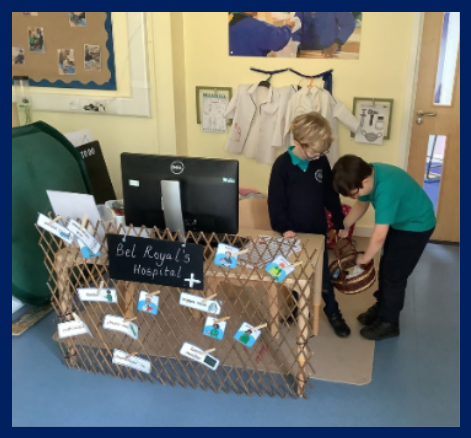
Pupils in The Cove and The Lighthouse access PSHE themes with adaptations including sensory‑based learning, visuals, symbols, intensive interaction and structured routines. This ensures clear progression in communication, emotional regulation, independence and social understanding.
PSHE is not only taught in isolation but is embedded across school life, behavioural approaches and our wider personal development offer.
Impact
The impact of our PSHE curriculum is seen in the confidence, behaviour, wellbeing and attitudes of our pupils as they grow and mature.
Progress is tracked through the PSHE Progression Map, which demonstrates clear development over time, including:
-
Increasing complexity of concepts (e.g. rules → laws → democracy)
-
Development and use of subject‑specific vocabulary
-
Evidenced access and progression for pupils with SEND
Assessment in PSHE is ongoing and formative, drawing on:
-
Pupil voice and reflection
-
Observation and discussion
-
Evidence of learning applied across school life
By the time pupils leave Bel Royal, they are able to:
-
Explain their rights and responsibilities
-
Build and maintain positive relationships
-
Recognise when they need help and know how to seek it
-
Show respect for diversity and challenge unfairness
-
Manage change, emotions and increasing independence
This strong foundation ensures our children are well-prepared for the next stage of their education and for life within Jersey and beyond.
To achieve the above, the school blends regular PSHE lessons with wider opportunities for children to undertake learning in the following areas:
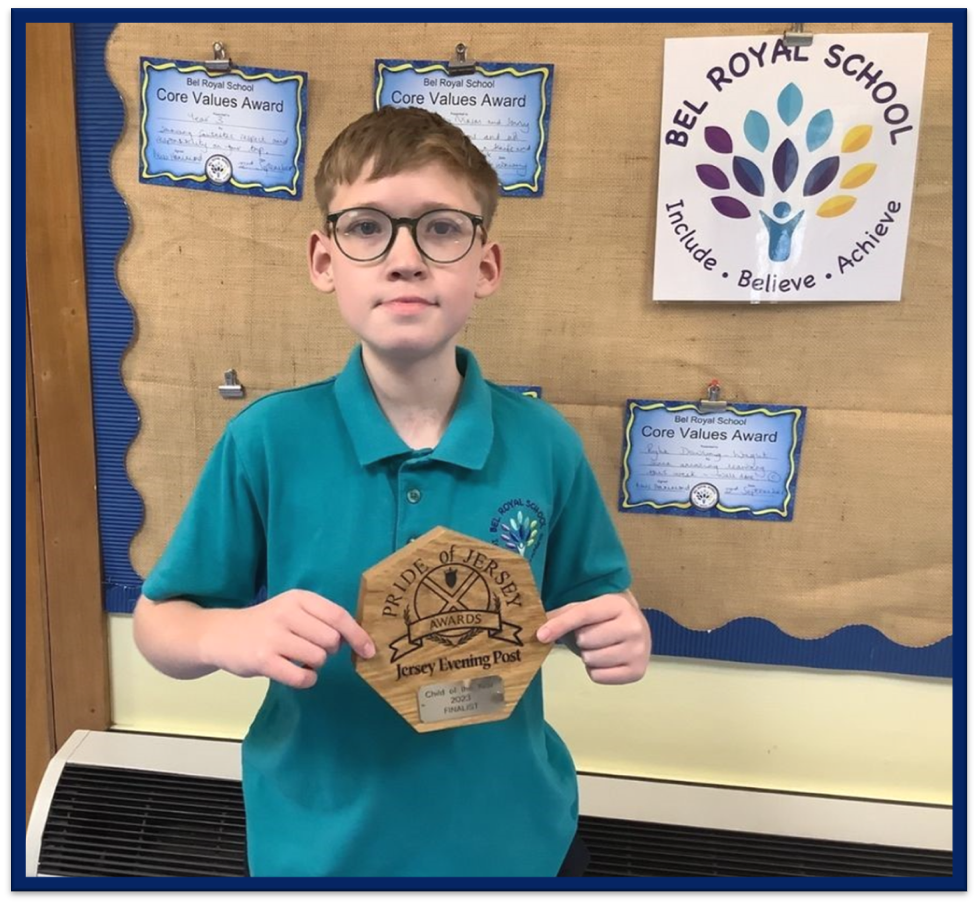
Core Values – Bel Royal’s values of Include, Believe and Achieve are embodied across school, with children receiving recognition from any member of the team for acts that go above and beyond. This can be for supporting a classmate who is finding life tricky, to an outstanding piece of work.
Rights Respecting School – We are a Silver Accredited Rights Respecting School. As a Rights Respecting School we integrate the UN Convention on the Rights of the Child (UNCRC) into our core values, learning, ethos and culture, promoting children's rights to create a safe and inclusive, school environment. We want our children to be active and involved in school life and the wider world.
Pupil Voice – Each academic year, pupils from EYFS to Year 6 take part in School Council elections. Children prepare speeches with their aims to improve the school. On Election Day, using the ballot box from our local parish, children take part in a secret ballot, voting for the two students who they feel would represent their class the most effectively.
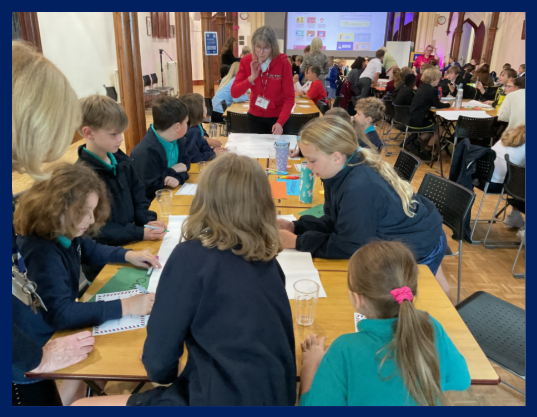
At least once per half-term, the School Council meets to discuss the issues raised by classmates and agree on actions to improve the school community. The Chair (s) and minute takers ensure that all matters are taken into consideration and documented through Widget to allow a visual and written record. These are disseminated by the representatives of their class. Three times per year, a group of pupils from Bel Royal attend the island-wide Primary School Council Network meeting to discuss matters affecting children across Jersey and to share best practice within schools.
Assembly themes – through weekly assemblies, the children are made aware of global events including Black History Month, Remembrance, World Book Day. Each week’s assembly links to one of the Rights Respecting Schools rights.
Enrichment/Community opportunities – children have the opportunities to participate in some/any of the following:
-
School Choir (who perform at a local Elderly/Assisted living facility)
-
Pollinator patch creation with the Environment department
-
Half-term blocks in class with the opportunity to learn from external sports coaches (e.g. netball, cricket, football and golf).
-
Children
-
Beach Safety
-
Bikeabilty
-
Safety in Action (fire, water, road, cycling, beach)
-
Forest School
-
Swimming
-
Healing Waves
-
Horse Riding for the Disabled
-
Charity Walk to fundraise for school and a local charity
-
Children in Need Day – fundraiser
-
World Book Day
-
Overnight residentials for KS2
Positive Relationships – We support and nurture positive relationships throughout our school community through our curriculum, positive behaviour approaches, core values, and ethos statement. Our PSHE curriculum underpins this.
Cultural Experiences –
We support the development of cultural capital by providing our children with a range of cultural experiences, including:
-
Each month, there is a language focus for the month.
-
The children are taught ballet. Ballet d’Jerri work with the school to challenge stereotypes. The children learn from a professional and then watch the troupe perform. They also perform for the experts on their stage.
-
Music lessons with Jersey Music Association professionals (either as a whole class or individually)
-
Performing in the Eisteddfod in French and Choral Poetry.
-
Drama workshops from the Jersey Arts Centre
-
Workshops from the Jersey Music Service and performances from invited travelling artists.
Support from outside agencies/Further planning
Our EWO team
Jersey Community Relations Trust – Umberella books
Books to support PSHE progression and key themes